Blogs and feature articles

Includes ghostwritten pieces for high-level leadership across the globe.

Breaking the taboo on including pregnant women in vaccine clinical trials

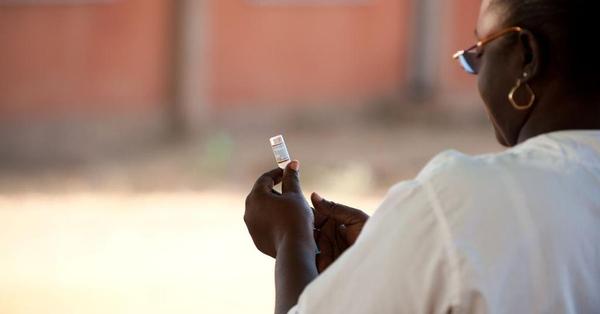
Pregnant women need better data to confidently access lifesaving vaccines. We’re improving meningitis vaccine access with a new clinical study of MenFive® in pregnant and breastfeeding women. This study broadens our commitment to maternal health by prioritizing action toward a longstanding knowledge gap. Pregnant women are no less susceptible to disease than non-pregnant people; they should have no less access to lifesaving vaccines.
China expands HPV vaccination

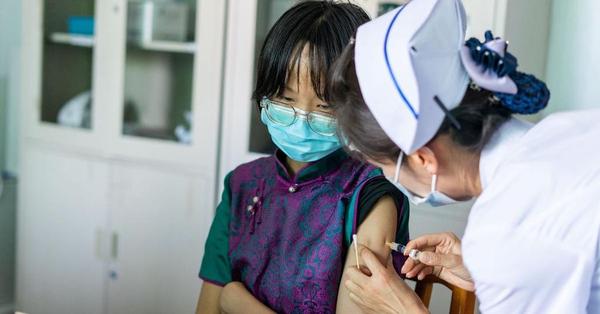
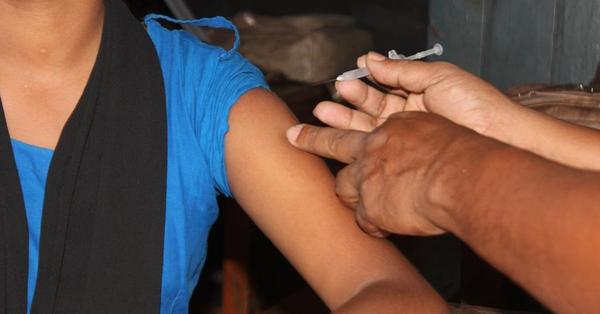
Bivalent human papillomavirus (HPV) vaccine is now included in the country’s national immunization program (NIP), ensuring girls across China can access this essential tool for preventing cervical cancer. In China, HPV vaccines have been available on the private market since 2016. Despite this, only an estimated 4 percent of girls between 9 and 14 years of age (the target age range for HPV vaccination recommended by the World Health Organization [WHO]) were vaccinated against the disease in 2022—and China reported the world’s highest numbers of cervical cancer cases and second highest number of cervical cancer deaths.

How one PATH project advanced the global HPV prevention landscape

PATH’s HPV Vaccine Safety, Immunogenicity, and Health Economics (HPV SIHE) project is coming to a close after five years—and it leaves a long list of successes behind. Cervical cancer is the fourth most common cancer among women globally, with more than 95 percent of cases resulting from human papillomavirus (HPV) infection. HPV vaccines are highly effective; since their introduction, they have significantly reduced the incidence of HPV infections and precancerous cervical lesions. But although they have been available since 2006, HPV vaccines remain out of reach for many girls and women in low- and middle-income countries (LMICs)—where about 94 percent of cervical cancer deaths globally occur.

How do we strengthen the global vaccine supply? By supporting local manufacturers

Imagine a country wants to introduce a vaccine to protect its population from a serious disease, but the doses are either not available for purchase or so expensive they are out of reach. Imagine this happens during a disease outbreak or epidemic—or even a pandemic. Country leaders would be prevented from providing essential vaccine to their citizens and saving lives.Sound familiar? It’s exactly what happened during the COVID-19 pandemic, when low- and lower-middle-income countries across the wo...

How has the African vaccine manufacturing landscape changed in the last year?

Published by Africa CDC. Africa has long relied on other parts of the world for its vaccine supply. This inequitable global health structure creates barriers to access, leaving the continent vulnerable to threats like the COVID-19 pandemic. African leaders have voiced this struggle for years, but Africa’s delay in receiving COVID-19 vaccines thrust the issue onto the global stage. It prompted African leaders to create the Partnerships for African Vaccine Manufacturing and formalize a goal of locally manufacturing 60 per...

How has the African vaccine manufacturing landscape changed in the last year?

Published by PATH. Africa has long relied on other parts of the world for its vaccine supply. This inequitable global health structure creates barriers to access and leaves the continent vulnerable to threats like the COVID-19 pandemic. African leaders have voiced this struggle for years, but the delay Africa faced in receiving COVID-19 vaccines thrust the issue onto the global stage. It prompted African leaders to create the Partnership for African Vaccine Manufacturing with an ambitious goal of locally manufactu...

A new vaccine could stop meningitis epidemics in Africa—for good

When MenAfriVac® was introduced in Burkina Faso in 2010, we predicted the end of meningococcal meningitis wouldn’t be far behind. It was a bold assertion; for more than a century, the disease had reigned freely in the 26 countries that make up Africa’s meningitis belt, causing debilitating annual epidemics that, at their largest, would claim tens of thousands of lives in a single season. But just three years after introducing MenAfriVac®—which targeted serogroup A meningococcal meningitis, then the most prevalent serogroup (think, “strain”)—disease incidence had dropped by 94 percent in vaccinated areas and today, meningitis A has effectively been eliminated from the meningitis belt.

A new vaccine could end meningitis epidemics in Africa

Vaccines are the best way to prevent meningococcal meningitis. But in Africa’s meningitis belt, a string of 26 countries from Senegal and The Gambia in the west to Ethiopia in the east that suffers the highest global burden of the disease, effective vaccines have all-too-often been out of reach.
The 2010 introduction of MenAfriVac® – developed by Serum Institute of India, in partnership with PATH and the World Health Organization (WHO) – changed everything. MenAfriVac® is the groundbreaking affo...

What will it take to develop a sustainable vaccine manufacturing ecosystem in Africa?

A study of Africa’s current and planned vaccine manufacturing capacity offers insights into how to target investments and development efforts to promote long-term success.


Africa is largely reliant on other regions of the world for lifesaving vaccines. Currently, only one percent of the vaccines administered in Africa are produced locally; the remaining 99 percent are imported. Such an imbalance in production can contribute to unequal access to needed vaccines and enormous health disparities...
What will it take to develop a sustainable vaccine manufacturing ecosystem in Africa?

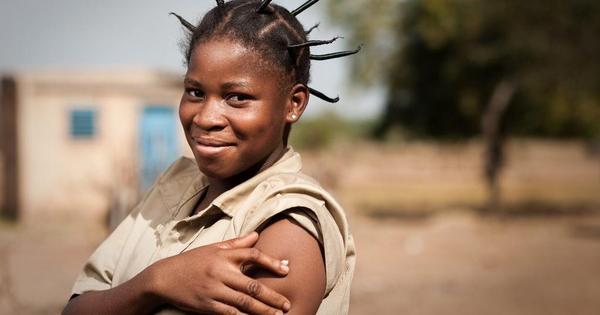
Africa is largely reliant on other regions of the world for lifesaving vaccines. Currently, only one percent of the vaccines administered in Africa are produced locally; the remaining 99 percent are imported. Such an imbalance in production can contribute to unequal access to needed vaccines and enormous health disparities between regions.The tide is turning, however; investment in African vaccine manufacturing has surged in recent years as Africa works to safeguard itself against future pandemi...
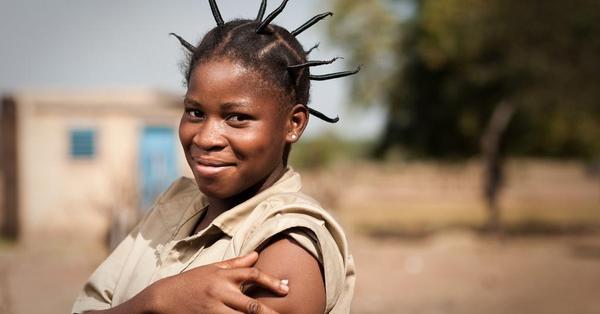
Reaching cervical cancer elimination goals with HPV vaccines

Even before the COVID-19 pandemic, countries with low- and middle-income (LMIC) economies faced numerous financial and logistical barriers to HPV vaccine uptake. Entry of new, low-cost HPV vaccines into the global market could increase access, especially in the countries that face the most significant burdens.To that end, PATH is supporting a Phase 3 clinical study of Cecolin®, a bivalent HPV vaccine manufactured by Xiamen Innovax Biotech Co., Ltd., which received WHO prequalification in 2021. (...

Toward a world without meningitis

It arrives suddenly. It brings severe fever and vomiting, stiff neck and pounding headache; it can kill within hours. It doesn’t necessarily spare survivors, leaving many with lifelong disabilities such as deafness and neurological impairments.It is meningitis, and it is a global threat—though, like many diseases, children and those in low-resource countries suffer the greatest burden.A serious infection of the thin lining surrounding the brain and spinal cord, meningitis has many causes, usuall...

Nipah virus inspired "Contagion." We're testing a vaccine.

In an interconnected world, viruses aren’t limited by borders. A small outbreak on one side of the globe can spread across continents and across oceans in a matter of hours. The COVID-19 pandemic is a sobering example of this reality, and though it may feel unprecedented, for infectious disease experts it isn’t a surprise. What’s more, it’s a reminder of the importance of shoring up global health security by advancing vaccines against diseases that have pandemic potential.Because the next pandem...

Why are pregnant people left out of vaccine research?

Before a vaccine ever reaches your arm, it faces a rigorous testing and approval process. Vaccine studies include thousands of people representing the age groups, underlying health conditions, and geographies most affected by a given disease. Research is overseen by ethics committees, institutional review boards, and data safety monitoring agencies. Regulatory reviews are just as arduous; experts in everything from chemistry and pharmacology to manufacturing and labeling examine vaccine applicat...
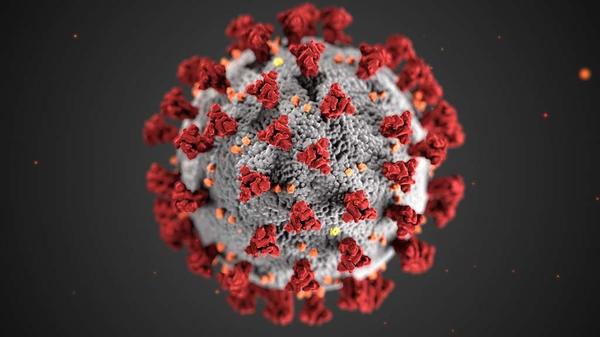
From road map to impact: Three ways to advance the landmark meningitis road map

The global public health community has yet to see big, international campaigns raise significant awareness, funds, and political interest in meningitis response. Because there are many different causes, we can’t eradicate meningitis in the same way we eradicated smallpox.But despite the complexities, vaccines against meningitis are highly effective. In some instances, they have virtually eliminated disease caused by a specific pathogen. We must celebrate, and build upon, such successes. Meningit...
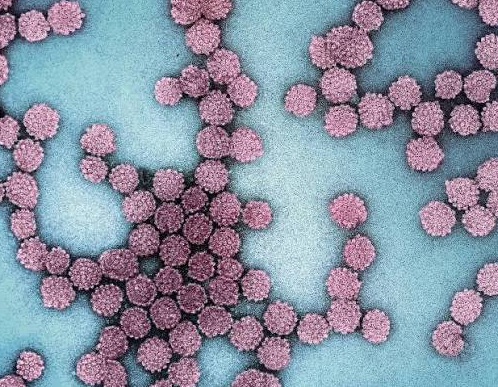

How do we develop a first-of-its-kind vaccine?

Developing a vaccine is no easy feat. The process typically takes 10 to 15 years and encompasses multiple complex stages: a research-intensive exploratory phase to identify a promising antigen; preclinical animal studies to establish vaccine candidate viability; human clinical trials to demonstrate safety and efficacy and determine dosage and vaccination schedule; regulatory review and approval; manufacturing and scale-up; quality control, which includes additional postlicensing studies to make...

Battling newborn infections by protecting moms first

The first 10 days of my son Scott’s life were spent in the neonatal intensive care unit (NICU) at Swedish Hospital in Seattle, his tiny body hooked up to intravenous (IV) antibiotics in an attempt to control the bacterial infection that pervaded his system. The IV line began in his foot but his small veins ruptured so easily that the line had to be moved to his other foot, then his hand, and eventually to his head. Doctors continuously poked and prodded and even performed a spinal tap with a nee...

Defeating meningitis through vaccination

This is a guest post from PATH, a global team of innovators working to eliminate health inequities, who are also part of a task force working towards defeating meningitis alongside Meningitis Research Foundation.
PATH is on a mission. We want to see a world without meningitis. It’ll be a long, complex process, and it can’t be done without strategic, coordinated partnership and a multi-pronged approach, but we know it’s possible.
And with a concerted effort, we think it’s possible to have enormou...

Defeating meningitis through vaccination

This article originally appeared on the Meningitis Research Foundation's website.PATH is on a mission. We want to see a world without meningitis. It’ll be a long, complex process, and it can’t be done without strategic, coordinated partnership and a multi-pronged approach, but we know it’s possible.And with a concerted effort, we think it’s possible to have enormous impact by 2030.An estimated 2.82 million cases of bacterial meningitis occur globally each year, with more than 300,000 deaths—a th...

Ushering in a new era of pneumonia control

It can strike anywhere, but is most prevalent among marginalized groups of people. Pneumonia is a complex disease with many causes, including viruses, bacteria, and even fungi, and the appropriate tools to fight it are still not accessible to everyone who needs them.Despite tremendous gains, progress in reducing pneumonia deaths has not kept pace with other leading infectious diseases. As a result, pneumonia deaths persist at levels so unacceptably high, they could prohibit many countries from r...
Load More

Fact sheets

Media releases

New HPV vaccine from Zerun Bio receives WHO prequalification

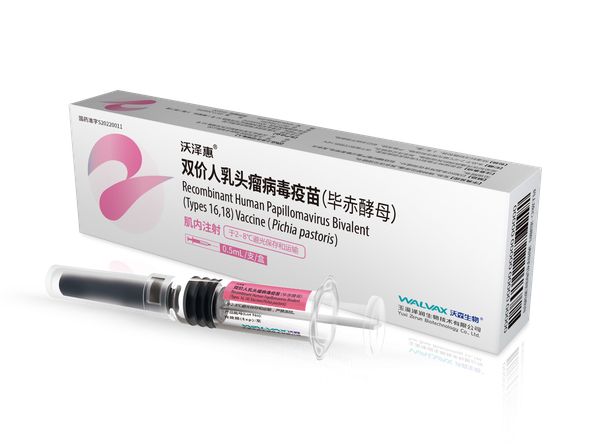
Walrinvax™, a bivalent human papillomavirus (HPV) vaccine, has been prequalified by the World Health Organization (WHO). Walrinvax is manufactured by Yuxi Zerun Biotechnology Co., Ltd. in Yuxi City, Yunnan Province, China, a fully owned subsidiary of Shanghai Zerun Biotechnology under Walvax Biotechnology Co., Ltd. Walrinvax is designed to protect against HPV types 16 and 18, the most common virus types that lead to cervical cancer. Countries facing barriers to national introduction or strugglin...

Multivalent meningococcal meningitis vaccine from Serum Institute of India achieves WHO prequalification

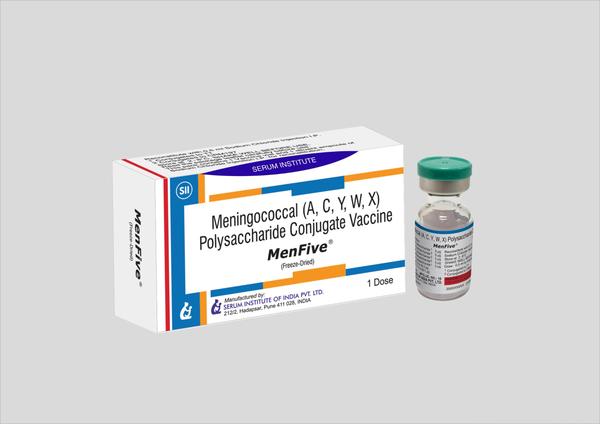
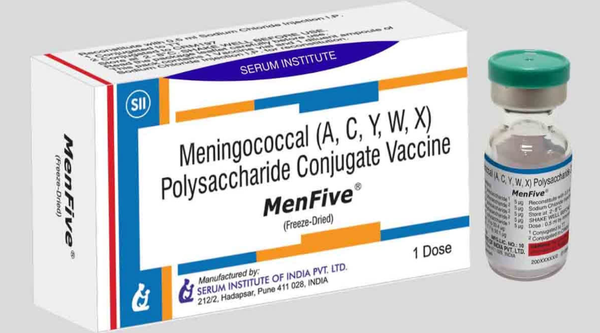
MenFive®, the first conjugate vaccine to protect against the five predominant causes of meningococcal meningitis in Africa, has been prequalified by the World Health Organization (WHO).Developed through a 13-year collaboration between Serum Institute of India Pvt. Ltd. (SIIPL) and PATH, with crucial funding from the UK government’s Foreign, Commonwealth and Development Office, MenFive® protects against meningococcal serogroups A, C, W, Y, and X and is de...

Serum Institute's ACWYX vaccine candidate demonstrates strong safety and immunogenicity

Detailed results from a Phase 3 study of Serum Institute of India Pvt. Ltd.'s (SIIPL's) NmCV-5 vaccine candidate, a conjugate vaccine designed to protect against meningococcal serogroups A, C, W, Y, and X, were published in the New England Journal of Medicine.Meningococcal meningitis, a type of bacterial meningitis, is one of the most feared diseases in Africa. It is responsible for deadly annual outbreaks and epidemics that have led to tens of thousands of cases and thousands of deaths each yea...

New panel of antibodies specific to SARS-CoV-2 variants available for vaccine researchers

PATH, Texas Children’s Hospital Center for Vaccine Development, Baylor College of Medicine, and the Medicines and Healthcare products Regulatory Agency (MHRA) have collaborated to provide variant-specific monoclonal antibodies (mAbs) against the receptor-binding domain (RBD) of SARS-CoV-2 variants. These mAbs can support researchers globally during the characterization and development of vaccines for current and evolving variants of SARS-CoV-2.Through this collaboration, scientists from Texas Ch...

New HPV vaccine from Innovax receives WHO prequalification

Cecolin®, a vaccine against human papillomavirus (HPV), has received prequalification by the World Health Organization (WHO). Cecolin is manufactured by Xiamen Innovax Biotech CO., LTD. (Innovax), a wholly owned subsidiary of Beijing Wantai Biological Pharmaceutical Co., LTD. (Wantai), and is designed to protect against HPV types 16 and 18, the most common virus types that lead to cervical cancer. Countries facing barriers to national introduction or expanding their HPV vaccine program to the fu...

Vietnam-produced seasonal influenza vaccine licensed for production and use

On January 15, 2019 the Institute of Vaccines and Medical Biologicals (IVAC) in Vietnam announced the successful licensure of a seasonal influenza vaccine that protects against three influenza strains: A/H1N1, A/H3N2, and B. This vaccine can now be produced and used to protect against influenza in Vietnam, and can potentially be exported within the region. The development of this vaccine is the result of almost a decade of partnership between IVAC, PA...

Vietnam welcomes two locally produced vaccines for seasonal and pandemic influenza

The Institute of Vaccines and Medical Biologicals (IVAC), World Health Organization (WHO), international global health organization PATH, and the Biomedical Advanced Research and Development Authority (BARDA) within the US Department of Health and Human Services, today joined leaders from the Ministry of Health (MOH), the National Institute of Hygiene and Epidemiology (NIHE), and the Pasteur Institute in Ho Chi Minh City (PIHCM) to announce r...

Biovac and PATH announce partnership to develop novel vaccine against newborn infection

The South Africa–based Biovac Institute (Biovac) and PATH, an international health organization, are pleased to announce the launch of a collaborative partnership to develop a novel vaccine against Group B Streptococcus (GBS), supported by a grant from the Bill & Melinda Gates Foundation. The partnership was announced today at the Innovation Effect Africa symposium held alongside the World Economic Forum event in Durban.Biovac, a public-private partnership based...

PATH welcomes grant to advance Group B Streptococcus vaccine development

PATH has received a five-year, $29.3 million grant from the Bill & Melinda Gates Foundation to support the development of a vaccine against Group B Streptococcus (GBS), a leading cause of sepsis and meningitis in young infants worldwide. A vaccine to prevent the bacterial infection—which often affects babies just a few hours old—could potentially save countless lives in the low-resource countries most impacted by the disease. Grant funds will support the research and development of a polyvalent,...